
Equity
Delivering just and sustainable environmental futures that address existing inequities and enable communities to thrive.
The Equity theme is informing the search for sustainable futures for all. Through collaborative, co-productive and interdisciplinary research we envisage an equitable and just sustainable future that does not negatively impact particular segments of society. We aim to overcome intersecting inequalities (e.g. geography, gender, race, class, disability, education), many of which are exacerbated by environmental crisis, to ensure a socially just and inclusive sustainable future.
Thinking more globally, and working from the micro to macro scale, we seek to include the voices and experiences of individuals and communities through to large-scale global organisations and policymakers. By elevating the voices of marginalised populations, we will open up diverse critical debate on how sustainable endeavours can ensure inclusivity and prosperity for all. In doing so, we aim to ensure that solutions to environmental challenges avoid purely technocentric or economically motivated solutions and the devastating unintended consequences these can create.
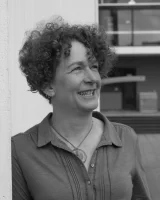
Theme Lead
Dr Sarah Mander
Sarah started her career as a Chemical Engineer, initially working as a project engineer in the chemical and pharmaceutical's industry. Upon leaving industry, she spent a decade working in a variety of roles in the co-operative sector and as a community activist. This time was spent facilitating community engagement in regeneration projects, setting up the Homes for Change Housing Co-operative, fabricating bespoke metal- work and undertaking a variety of projects to promote sustainability within urban neighbourhoods. In 1999 she joined Manchester School of Management researching the penetration of wind energy in the North West for her PhD. Since completing her PhD, Sarah has worked at the Tyndall Centre.
Her research integrates public and stakeholder perspectives with technical and modelling assessments to build an understanding of the deployment of renewable energy technologies and social responses to these. She is passionate about climate change engagement, and, increasingly, is exploring innovative approaches to engagement, and working with artists to reach diverse audiences in new ways rather than trying to change the world one conversation at a time.
Sarah is a Reader in Energy and Climate Policy at the Tyndall Centre for Climate Change Research in the Department of Mechanical, Aerospace & Civil Engineering, The University of Manchester.
Key Institutes and Centres:
- Sustainable Consumption Institute
- Global Development Institute
- Manchester Urban Institute
- The JUST Centre
Case Studies
-

One Bin to Rule Them All
Have you ever been frustrated by the complexities of household recycling? Unsure about what goes in which bin? This innovative project seeks to address these issues to improve household plastic recycling.
Read more
-
Social justice
How can we make climate adaptation more socially just? Decisions on how to adapt to the impact of extreme weather events caused by climate change, such as flooding and heat waves, often rely on understanding only physical factors. Research from The University of Manchester has highlighted how we can support socially-vulnerable and climate-disadvantaged communities.
Read more
-
Energy poverty
How can we highlight the growing issue of energy poverty in the private rented sector and offer solutions to help address it for those affected? The University of Manchester's development of the Energy Poverty Dashboard is bringing to light essential data that will help inform future energy policies across Europe.
Read more
-
Reducing waste at festivals
Every year millions of festivalgoers across the globe gather to enjoy live music. But once the party is over, they often leave a large ecological footprint behind. Seeking a greener way forward, researchers at The University of Manchester helped Glastonbury Festival reduce waste via education and behavioural change initiatives.
Read more
-
Towards Inclusive Environmental Sustainability (TIES)
This three-year study, funded by the Leverhulme Trust, explores how the knowledge and practices of immigrants from the Global South contribute to building just and sustainable cities in the Global North.
Read more
.jpg)



.jpg)